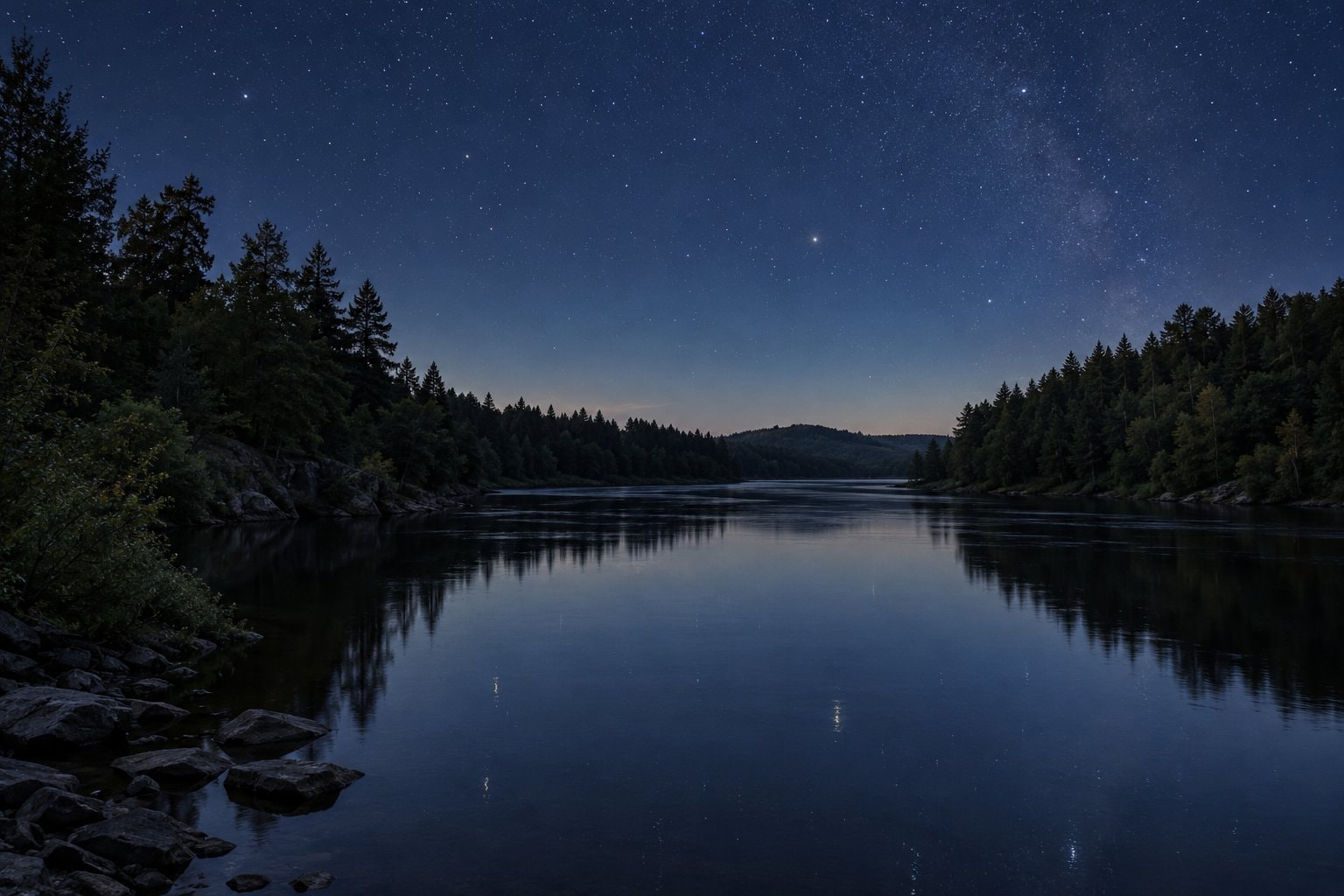
A clear evening can begin with a glance from the garden rather than a telescope. The shape of a bright star pattern, the changing edge of the Moon and a steady light among twinkling stars are all useful starting points. Backyard astronomy is the practice of paying attention to those sights, learning their names and returning often enough to notice what changes. Northern Illinois provides a setting for that kind of patient, ordinary observing: a lawn, a clear horizon and a willingness to let the night become familiar.
Wikipedia's account of amateur astronomy describes a hobby that includes observing, studying and photographing celestial objects with unaided eyes, binoculars and telescopes. Some observers concentrate on a favourite subject; others enjoy a broad view of whatever the sky offers. Neither approach requires a complete equipment collection. The important connection is between a question and a view: where is that pattern, why does the Moon look different, or what can a modest instrument reveal within a patch that seems empty?
A broad view comes first
NASA's skywatching guide explains that your eyes alone are useful tools because they take in broad patterns that a telescope's narrow view cannot contain. That makes naked-eye observing a useful way to begin. Before choosing an instrument, notice the horizon, the brightest lights and the direction a familiar pattern faces. A chart can then become a map of something partly known rather than a page crowded with unfamiliar dots. The getting-started guide turns that beginning into a manageable observing plan.
A simple evening need not contain an ambitious list. It can centre on the Moon, a recognisable star pattern or the view through binoculars already at hand. Leave room to look without reading, then compare the sight with a chart or a brief description. If an object is difficult to find, the attempt can still teach the shape of the surrounding sky. The aim is to make the next evening less puzzling, rather than to complete every possible observation before going indoors.
Read the view before judging the instrument
Darkness, steadiness and a useful horizon matter alongside optics. Wikipedia's discussion of light pollution explains that skyglow is a bright haze above cities that makes stars and the Milky Way harder to see, so a farm-country horizon away from city glow can offer a different view from a brightly lit garden. The guide to observing conditions in northern Illinois explains how to think about surrounding light, permission, ground and cold without naming a particular observing site.
A disappointing view is a reason to ask a more precise question. Was the target hidden behind a tree? Did a nearby light shine toward your face? Was the eyepiece view shaking as you touched the telescope? Was the air moving enough to make a bright object unsteady? Describing the difficulty helps separate the place, the weather and the handling of the instrument. It also makes a brief observing note useful when you return under different conditions, with the same equipment and a clearer idea of what to compare.
Choose a subject that holds your attention
The pages here cover broad sky patterns and close views, equipment and conditions, quiet looking and organised observation. A lunar observer may enjoy following the changing boundary between light and shade. Someone drawn to star fields may prefer wide views and careful chart reading. A reader interested in photographs can learn why the process differs from looking through an eyepiece. The hub below offers routes through these subjects, with related pages beside each topic so that a question can lead naturally to its next explanation.
The language stays close to what a beginner needs: what a term means, what sort of object it describes and which part of an observing evening it affects. An unfamiliar word should not stop the reading. The astronomy glossary gives short definitions that can be read alongside the longer guides. A definition is often most useful after a real question has appeared, such as why magnification changes when the eyepiece changes, or why a bright sky can hide a large but faint object.
Keep the evening comfortable and the expectations modest
Practical preparation belongs beside curiosity. Check the weather before carrying equipment outside, use firm ground and allow a way to read notes without a bright light shining across the view. Keep heavy pieces manageable and make room to stop when the evening becomes uncomfortable. Sun observing has its own strict safety requirements and belongs in its dedicated guide. Rock River Skies runs no observing sessions or events. It is a reference for understanding the hobby and making sense of the sky at your own pace.